
3D Printing for Accessibility
Enhancing accessibility through student-led 3D printing and inclusive design.
This project explores how 3D printing can be used to design and prototype assistive tools that improve everyday life for individuals with limited mobility or grip strength. Developed in collaboration with a Nicole Colarina from Gower Colleges L3 Health and Social Care course, the work aligns with the social model of disability — focusing on removing barriers through practical design.
Two key prototypes were found online and then 3D printed:
An Assistive Grip Cup Handle
An Assistive Grip Bottle Opener
One prototype was also modelled from scratch:
An assisstive zipper attachement
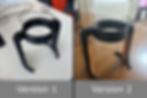
Once these tools were printed, they were evaluated for their effectiveness and Nicole then came up with ways in which they could be modified to be even better. The original models were then taken into Tinkercad Education, modified and then 3D printed again using PLA filament. Below is a an example of how Nicole has taken a 3D print and modified it to (adding a grip to the handles).

The project is now in the final evaluation phase, where real-world testing will help inform further future iterations.
This hands-on, problem-solving approach highlights how emerging technologies like 3D printing can be embedded meaningfully into the curriculum — offering learners the chance to apply digital fabrication skills in ways that have a direct social impact.
Project Gallery


